
Company story
A Story Ten Years in the Making: The Journey of Share More Stories and SEEQ
Celebrating 10 years of Share More Stories and SEEQ—how storytelling and AI-driven insights are shaping better experiences.

A few weeks ago, I had an interesting meeting with a potential customer. After listening to some of the challenges they were facing, I explained how SEEQ could help. During that conversation, I casually mentioned that we were turning 10 this year. The customer paused and asked me, “So what are you most proud of with your company?”
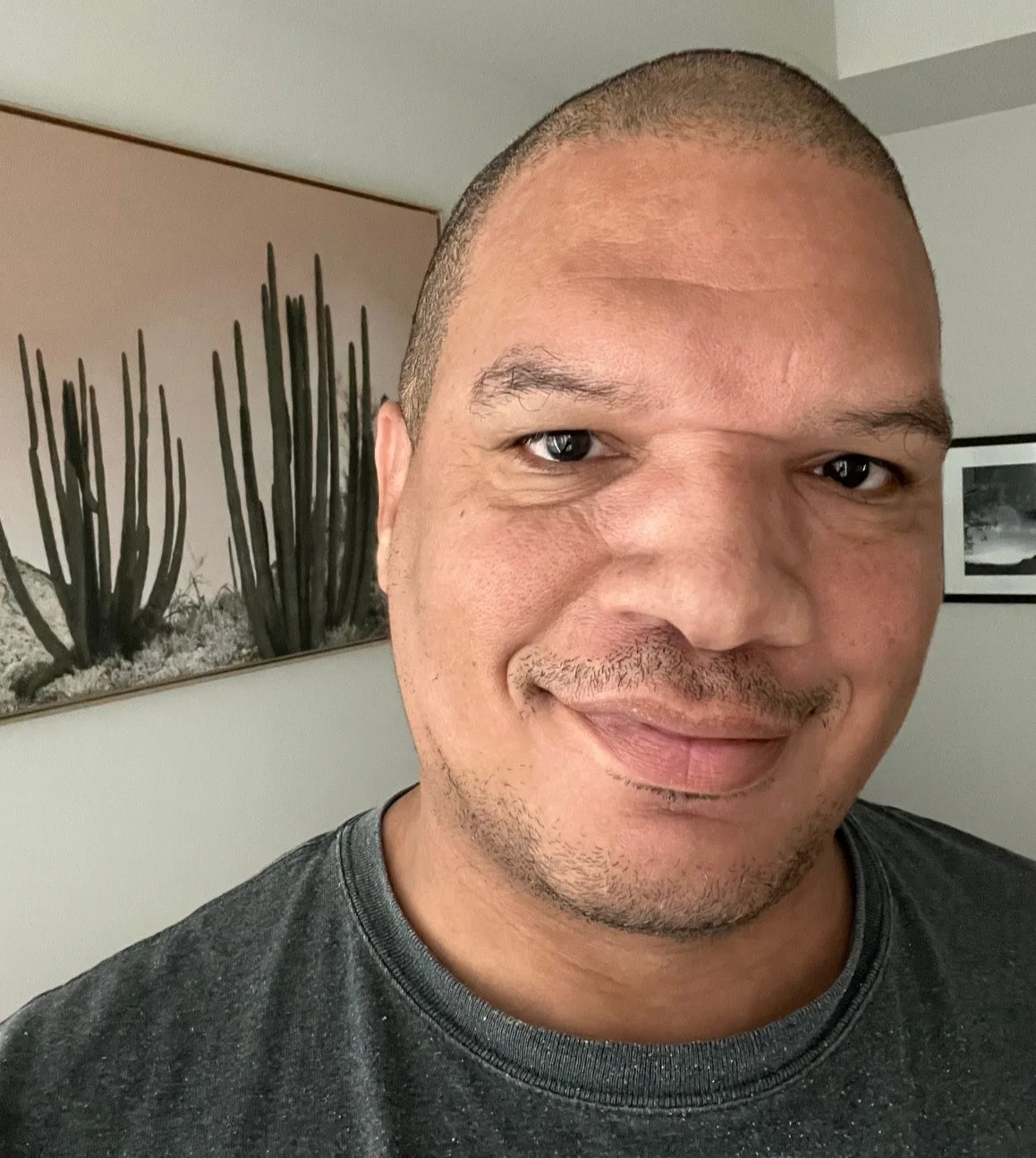
Hi, my name is James. When it comes to helping people share their stories, I’m the OG prompt engineer. Welcome to my TED Talk. 😊
Wow. What a great question — not one I expected at the moment, but definitely one I’ve always got an answer for. Honestly, I’ve been thinking about and working on Share More Stories (SMS) in some way, shape, or form nearly every day for the past 10 years – ever since before we announced the launch of our original website on November 18, 2014 (I know because that’s the press release date) – so I have a lot of memories and stories to share.
I think I answered the question by talking about our journey at a high level, focusing on all that we’ve overcome, and how much I’ve grown and learned along the way. I might be biased, but I think it makes for a pretty intriguing story! 😊
This reflection is a twist on the story of our journey — and a glimpse into what I believe is still to come. The past 10 years have been incredible, but this is just the beginning. Like we explain to our SEEQ customers, understanding your true narrative is often a non-linear journey through time — from present to past, then to the future.
And since we eat our own cooking around here, I’m going to start with where we are. Then, I’m going to take you back to our origins. Finally, I want to share where we’re headed and invite you to join us on this journey.
Let’s get started.
Where Share More Stories Stands Today
We see a tremendous opportunity to drive differentiated value at the intersection of market research and customer experience (or more broadly, human experience). This is reflected in our purpose:
We believe companies who do good will do better. This means putting people at the center of business so companies can create better experiences for humans. We exist to help people understand and connect with one another, so they can create better experiences for people everywhere.
This shows up in our primary offering, SEEQ (and yes, SEEQ is an acronym. It stands for Stories to Engage, Explore, and Question). SEEQ helps companies and organizations understand and improve employee and customer experiences (EX and CX), so they can grow. SEEQ is a web-based platform that captures participant stories and analyzes them to show companies how to improve their culture, brand, product or service.
And I believe this is helping us establish a competitive position for SEEQ in the CX/EX insights space:
- SEEQ’s holistic, dual-focus approach emphasizes both customer and employee experiences.
- By focusing on qualitative data (storytelling) and AI-driven insights at scale, SEEQ positions itself as a tool that goes beyond typical feedback platforms.
- Its in-depth, near-real-time feedback loop, customization options, and ability to connect EX and CX insights provide businesses with a unique, actionable view of how to improve experiences across the board.
The Human + Digital Blend
SEEQ isn’t just about collecting data. It’s about human experiences. SEEQ helps people tap into the emotions behind their stories, guiding them through the process of reflecting on their experiences. This is valuable to companies who want deeper, more actionable insights.
Recently, a communications director at a Fortune 500 company shared their experience working with SEEQ, and the value we’ve brought to their team and organization over the years. They used SEEQ’s unique ability to surface the “WHY” behind employee experiences at their company, and they were able to use the insights we developed to take action in ways they couldn’t have otherwise, because the insights revealed deeper motivations, needs, and emotions about people’s experiences with their company.
We often hear from participants who are unexpectedly moved by the stories they write — people who didn’t think they had much to say end up sharing powerful, emotional experiences.
In another engagement, one of our participants told us how emotional they became while writing their story. What started as hesitation turned into a flood of memories, emotions, and stories. They had almost too much to choose from by the end. This is why SEEQ works. It taps into the deeper layers of human experience, helping people get to the heart of what they need to say.
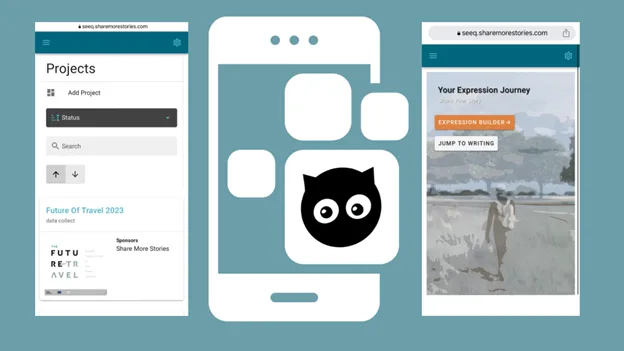
SEEQ changed the game when it launched: experience stories, analytics and insights in one place. People write personal stories about their employee or customer experiences with companies, brands and organizations. SEEQ analyzes those stories in the platform and enables deeper insights into the “WHY” behind people’s actions.
On the tech side, SEEQ is driven by AI and NLP, but it’s still deeply human at its core. Our platform runs advanced analysis on stories, predicting emotions, values, and needs across more than 50 different dimensions. Whether we’re processing 10 stories or 1,000, SEEQ provides visualized data in near real-time, giving our customers insights that matter.
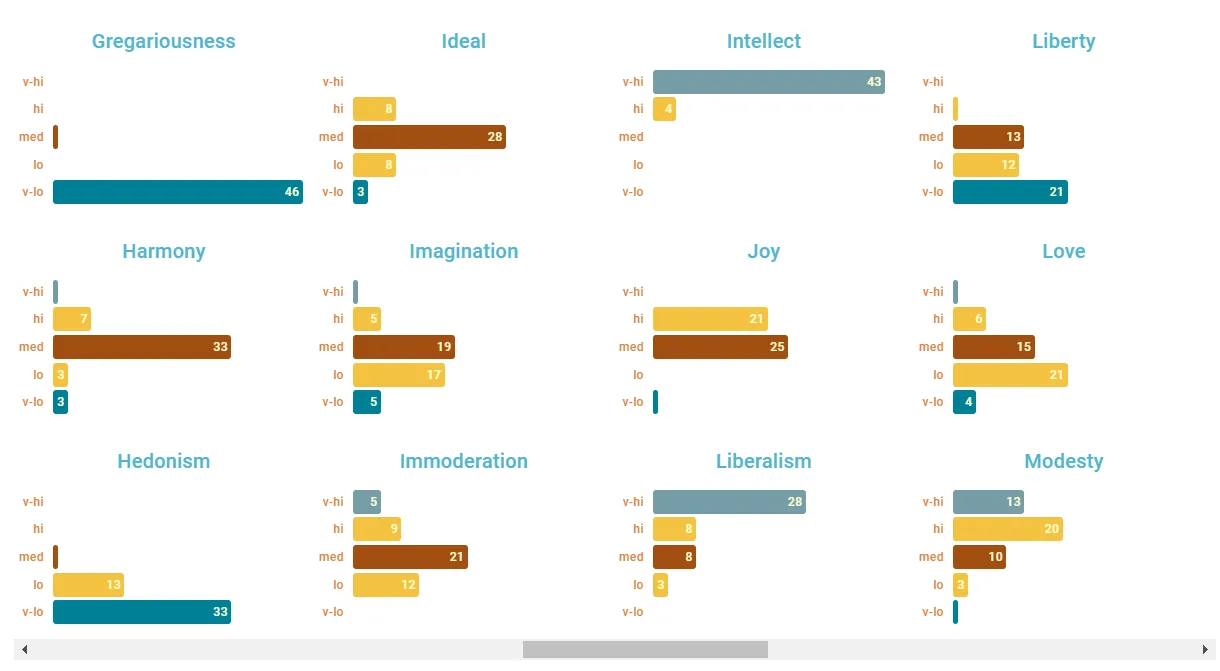
AI-generated predictions of attitudes, values, needs, feelings — SEEQ quantifies the emotions of employee and customer experiences.
Through this blend of human and digital, SEEQ is disrupting traditional research in a few key ways:
- Re-centering human experience: Shifting focus from what company leaders traditionally want to know, to what employees, customers, and stakeholders truly need to express.
- Combining qualitative and quantitative: Making qualitative research measurable and scalable through AI and our proprietary technology, quantifying emotions.
- Democratizing insights: SEEQ makes powerful insights accessible to organizations of all sizes — from Fortune 500 companies to one-person startups.
Our Origins
When the original idea for Share More Stories was a platform for helping people write and share stories collaboratively, I spent months talking to potential customers, users, and partners. I worked out of 804 RVA, a coworking space for founders, developers, creators, and freelancers. Ryan Gilbreath and I built the product with David Newberger and his team remotely in Florida. Darcy Warren, Patrice Boone, Bev Gray, and I brainstormed our marketing approach. And I consulted with a new group of advisors – April Spicer, Tristan Saw, Paula Puryear and Lara Hoefs – to get insights on how to test, learn, build, launch, and ultimately scale.
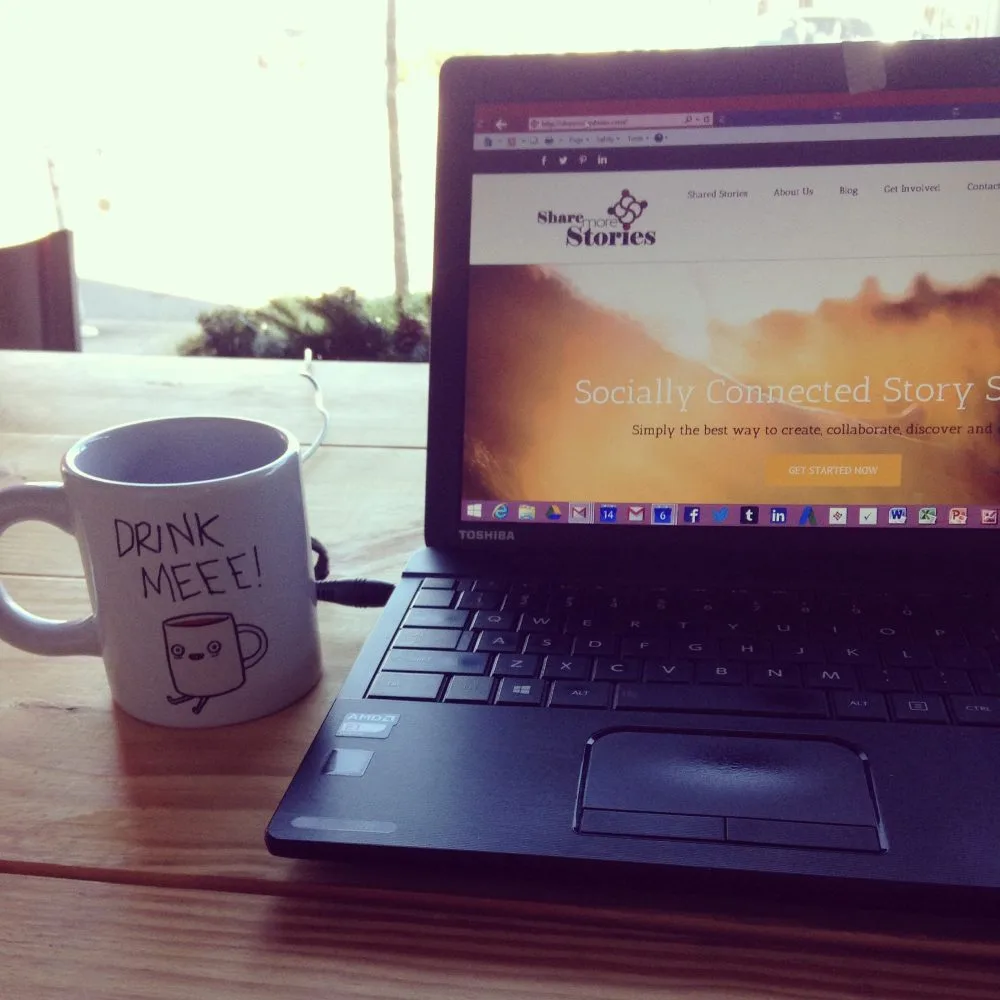
Back in the day, having coffee and building our website with David and Ryan.
Shortly after launching, we tried crowdfunding to raise capital — a complete failure. Failing so publicly stung, but I quickly learned that failure was part of the deal if I wanted to be successful on this journey. I remember Jen Pike telling me that no matter how it turned out, I was bound to learn a lot. Boy, was she right!
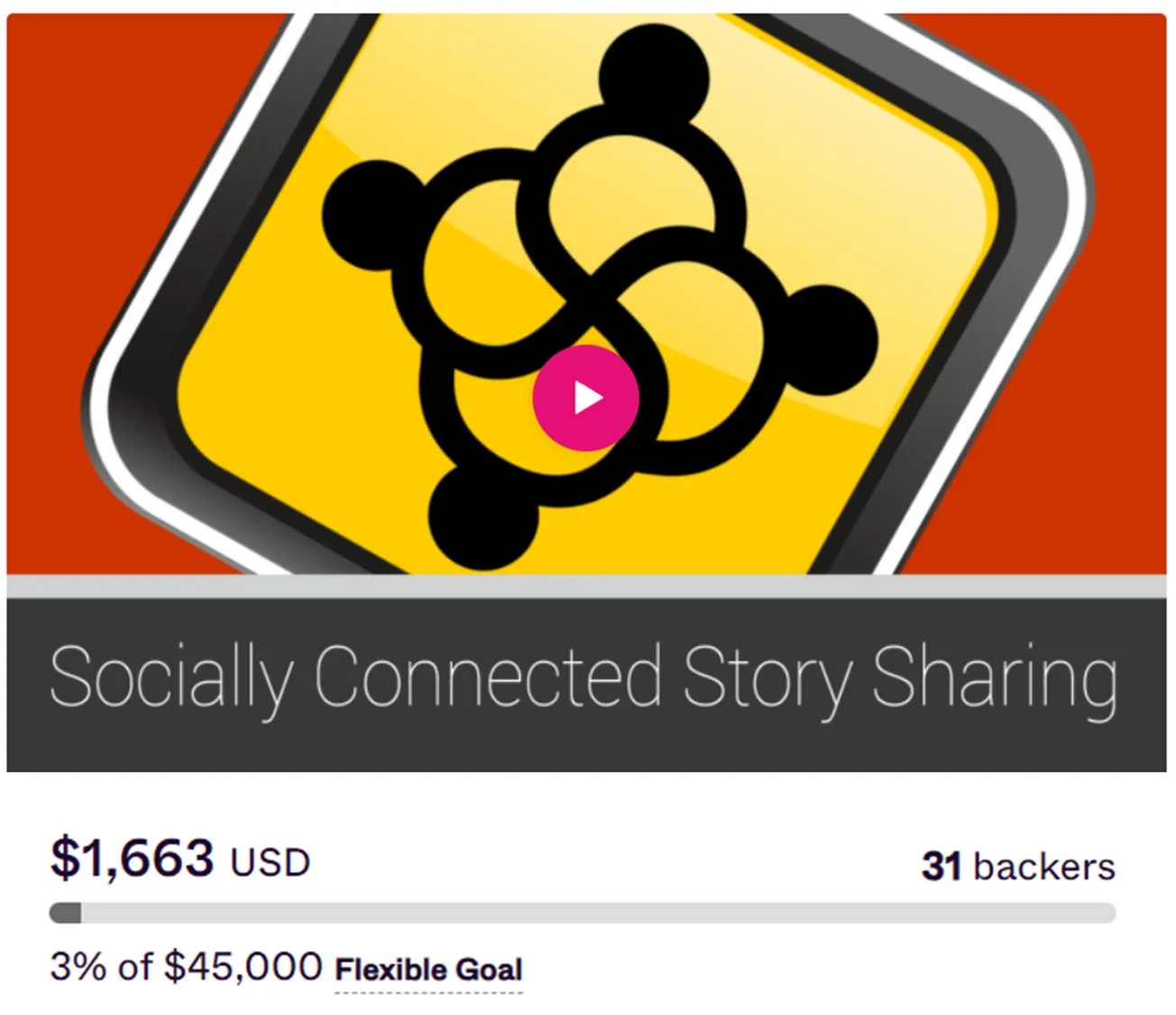
Failure is a great teacher — although failing publicly adds humility to the lesson plan!
I remember some tough but pivotal conversations with mentors like Art Espey and Greg Cummings, who challenged me to think smarter and work harder. During one of those conversations, Greg gave me life-changing advice: “You need to meet with Ken Johnson.” (Ken is the CEO of JMI.) Greg knew I was stuck with my head in the clouds and needed to face the realities of building a business in order to be successful. He knew Ken would both get my vision — and coach me in business-building.
That conversation led to a partnership with JMI, which gave Share More Stories the runway it needed to pivot, relaunch, and grow. In many respects, JMI was a place for the company and the idea to incubate, and for me to learn. Never underestimate the impact of early investors and partners who truly believe in you, especially when your journey turns out to be twice as long as you expect!
Soon, we were accepted into IBM’s Global Entrepreneur Program and started developing our initial analytical process using Watson AI. And shortly after that, we formed our first core team: Andy Sitison, Jen, and me, later joined by Whitney White and Brelan Hillman from JMI.
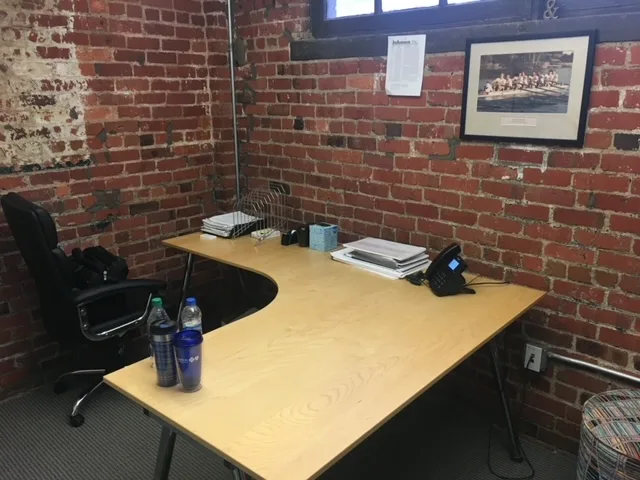
My first office at JMI in Richmond’s Manchester neighborhood.
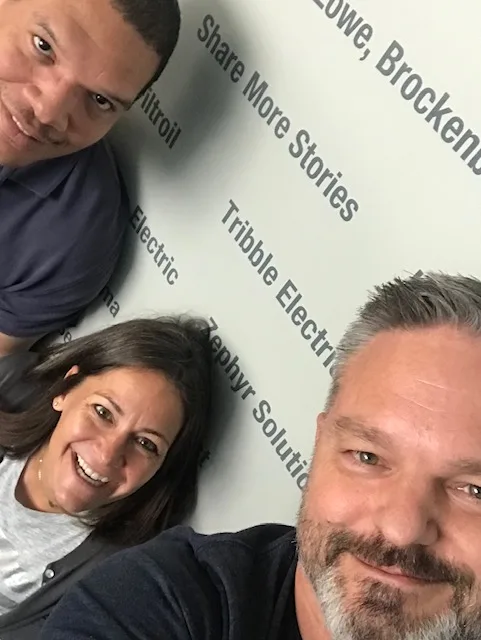
Jen, Andy and me, during one of our brainstorms!
We began working with customers to conduct a very new and different kind of research — storytelling workshops followed by AI-powered analysis, and Andy began developing our own algorithms to increase the power and depth of what we could learn. Some called it a “focus group on steroids,” others said it was like scalable ethnography.
And then one day, Andy, Jen, and I were brainstorming. We talked about the stories, the engagement we saw in our workshops, and the richness of the questions we could ask and the insights we were able to uncover. That’s when SEEQ was born.
We rebranded our workshops, launched a new website, and hosted a series of public sessions called SEEQ RVA. We even took SEEQ on the road to Milwaukee and NYC, partnering with friends and colleagues to spread the word.
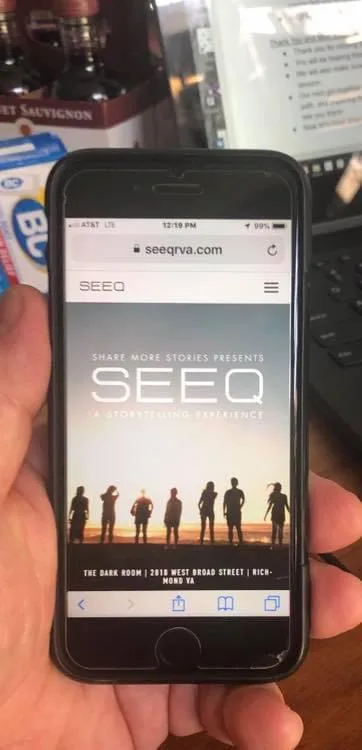
We launched the SEEQ experience through a series of in-person + digital “SEEQ Sessions.”
Momentum was building. We could feel the excitement from our small but growing community of customers and participants. It finally felt like we had something.
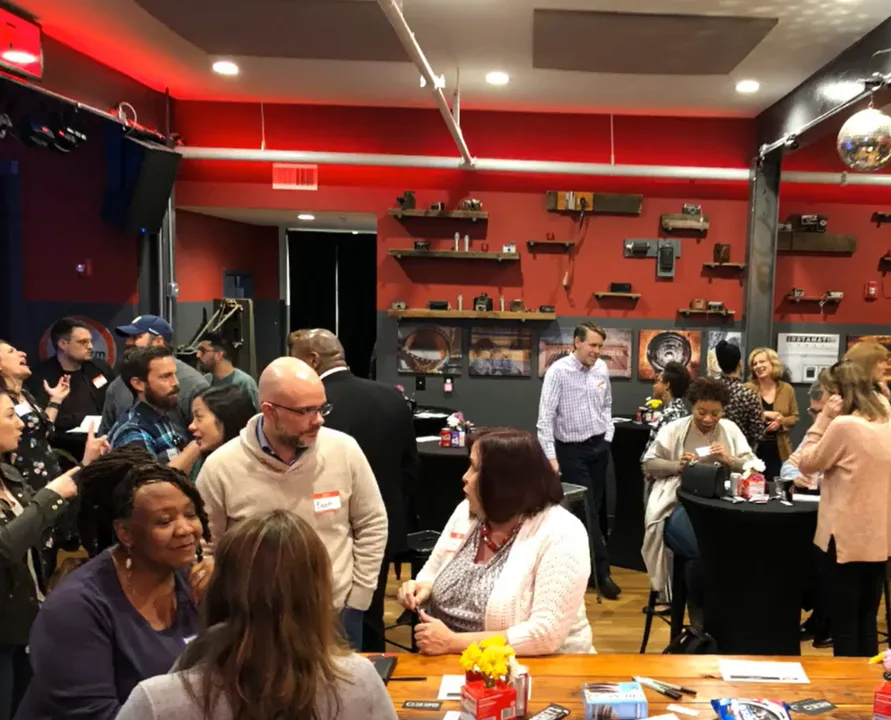
A scene from our first SEEQ Session in Richmond, VA.
Then COVID hit. Like so many others, we had to hit pause and reassess. Thanks to the unwavering support of my wife Darcy, our partner JMI, and my teammates Andy and Jen, I knew we had what we needed to keep going. There were some extremely and excruciatingly tough days in there. Times I didn’t think we — or I — would make it.
Honestly, it was nothing more than belief and conviction.
And one customer.
That one customer stuck with us through the toughest part of the pandemic. With their support, we pivoted from a workshop-based model to a fully tech-enabled one. We bootstrapped our way back and launched the SEEQ platform in November 2022. The team evolved again, and though it was hard to see long-standing teammates move on, it was part of the journey.
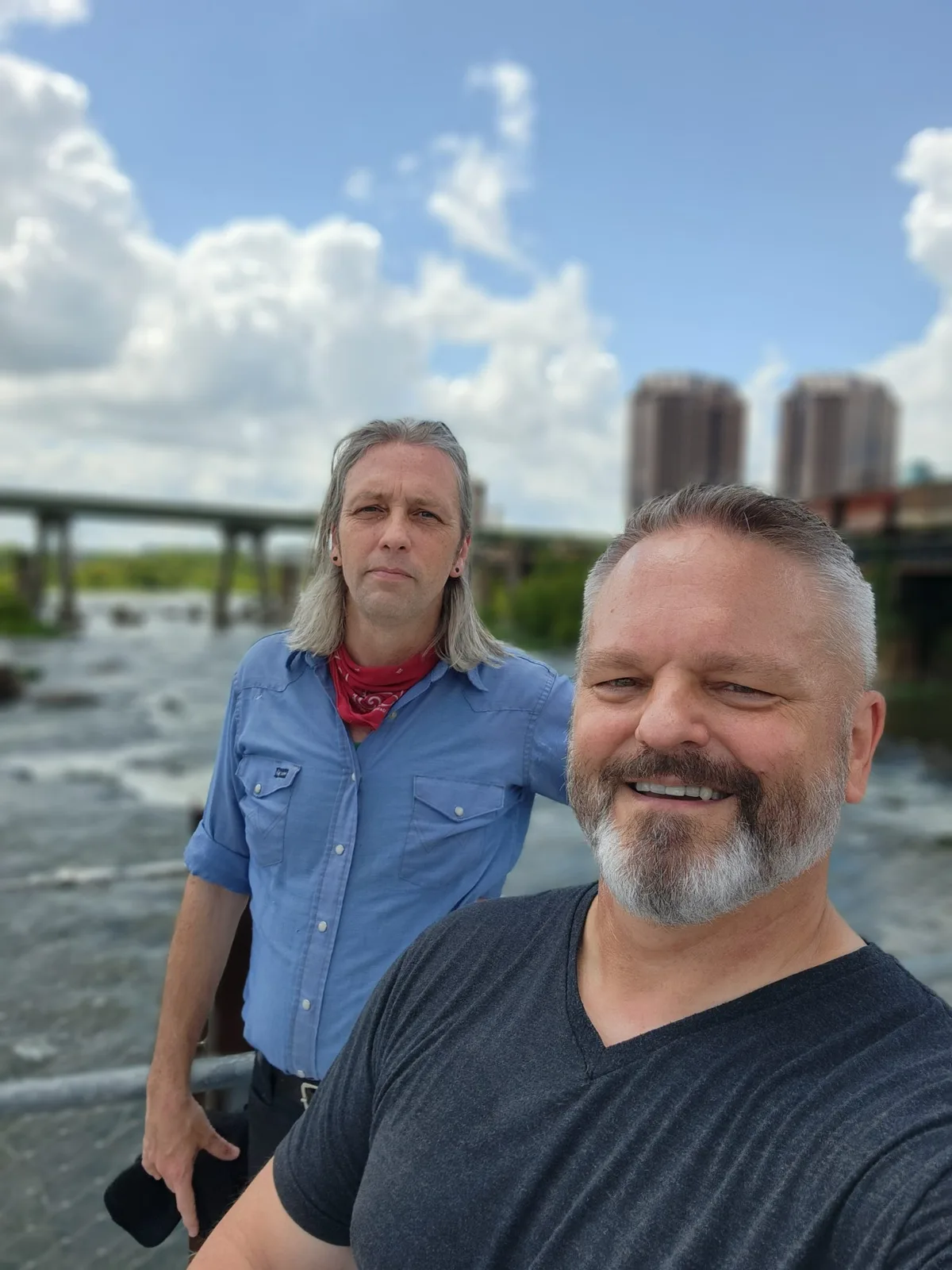
Andy and Scott, during one of Scott’s visits to Richmond to collaborate on product design.
From starting with nothing to growth, from barely hanging on to resurgence, we’ve been able to work with an incredible lineup of companies and brands:
New York Life, Virginia is for Lovers, Dominion Energy, Mr. Cooper, YMCA, United Way, Azimuth Healthcare, Black Women Talk Tech, Brewers Collective, CapTech, Caron Treatment Centers, City of Williamsburg, Compass Group, Envera Health, Infusion Solutions, Jamestown-Yorktown Foundation, John Deere, Leadership Metro Richmond, Listen Ventures, Meet Boston, Miles Partnership, National Parks Service, Richmond Region Tourism, Robins Foundation, Road Scholar, The Forum for Youth Investment, Virginia Early Childhood Foundation, Virginia Union University, Virginia Wine, VISIT FLORIDA, Visit Orange County Virginia, Wateraid, and others.
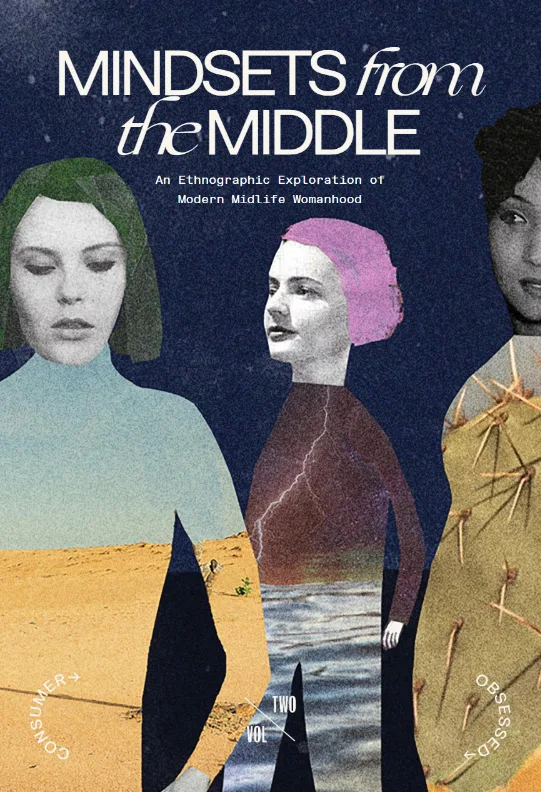
“Mindsets from the Middle,” from Listen Ventures. This study was informed by stories and insights provided through SEEQ.
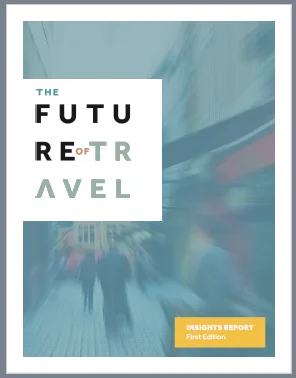
“The Future of Travel” collected stories from multicultural travelers across the U.S. and presented growth insights to the travel and tourism industries.
The People Behind It All
I’m blessed to be part of a LONG list of people who’ve helped build SMS and SEEQ into what it is today and deliver positive outcomes for all those companies and organizations above (in alphabetical order by first name):
Amee Mungo, Andre Dean, Andrew Mathew, Andy Sitison, April Palmer, April Spicer, Bev Gray, Brelan Hillman, Christian Warren, Claire Weidhaas, Darcy Warren, David Newberger, Elly Hogarth, Esra Calvert, Holly Chasan Young, Jen Pike, Ken Johnson, Kevin Leaven, Lara Hoefs, Lucien Roberts, Meenakshi Mittal, Mike Rabin, Patrice Boone, Paula Puryear, Ryan Gilbreath, Scott Fryxell, Sonali Shetty, Trevor Lee, Tristan Saw, Whitney White, and a few others.
Of course, none of this would have been possible without Darcy, my wife, who has been there from the very beginning when Share More Stories was barely an incoherent thought. And while I wish my mother and my sister were still alive so they could witness what we’re doing, I am filled with gratitude that my family’s next generation gets to see it.
I say all of this so you know this story isn’t really about me. It’s never been about me. It’s always been about us — and not just the “us” here at SMS, but the bigger “us.” It’s always been about the people, the community, and the stories we’ve shared.
Lessons Learned
Have I learned anything along the way?
Absolutely. There’s so much, but if I had to distill it into a few lessons, these stand out:
- Faith: The fear of failure is real, and navigating it is essential for success. But it is soooo hard. Still, as I like to say during storytelling sessions, “Everything you want is on the other side of fear” (Jack Canfield).
- Trust: I started the business in a horrible state: lacking confidence in myself and trust in others. It took years to build both. Thankfully, my teammates and partners were patient enough to let me grow.
- Purpose: Without a deeper purpose, we wouldn’t still be here. It’s our belief in something bigger than ourselves — something meaningful — that kept me going during the rollercoaster of wins and losses, and keeps us going now.
- Vision: We’re building something we see in our dreams, in our imaginations, and in our customers’ stories. It will change the world. The way we listen. The way we learn. The way we think. It’s bold, but if it were easy, everyone would do it.
- Perseverance: My persistence and commitment grew stronger along the way, despite all of the challenges, the stress and the anxiety. I’m so convinced of SMS’s untapped potential that I’d go another decade if that’s what it took to prove it. (Fortunately, I don’t think it will!)
And through it all, I’m still learning. We’re still on this journey together.
The Future of Share More Stories and SEEQ
As I reflect on our journey and consider our future, a bigger potential impact begins to take shape in my mind. Listening to how people use their stories and learn from one another, I’m beginning to realize we’re not just helping people create better experiences for each other. I think that maybe, just maybe, we’re on a journey to revolutionize how humans learn from and with each other, to be better for one another.
Maybe we’ll call it “Connected Learning.” 🤷🏽♂️
And at a time when we’re debating what role AI and tech will play in our evolution, I think it’s crucial that we focus on the role WE will play in our own future. Sure, the future is more digital. The future is also more human if we want it to be. It’s both.
We’re focused on scaling SEEQ with companies and brands that want to create much better experiences for their employees and customers, and are convinced there’s a better way to do that – one that starts with listening and understanding at a deeper level.
If you’re ready to be part of this journey with us, let’s talk.
We can create better experiences for everyone. And in doing so, we just might learn how to be better humans.
Together. One story at a time.
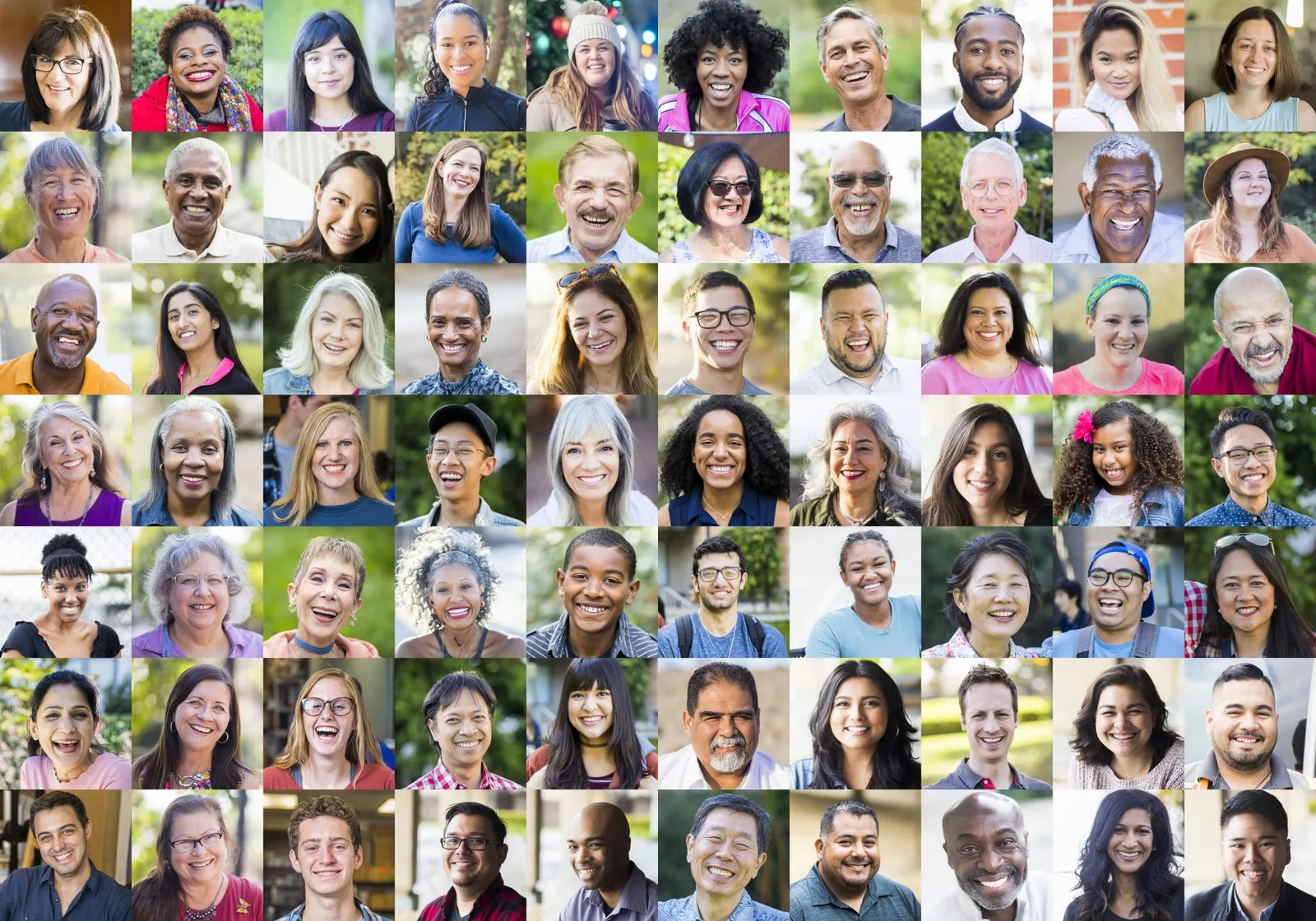
Read Part 2 of my 10-year anniversary reflection: A Journey Through Stories: Ten Years of Listening and Learning with SEEQ.
Check out our SEEQ Overview to learn more about the platform.
Participate in our SEEQ demo project and experience SEEQ for yourself.